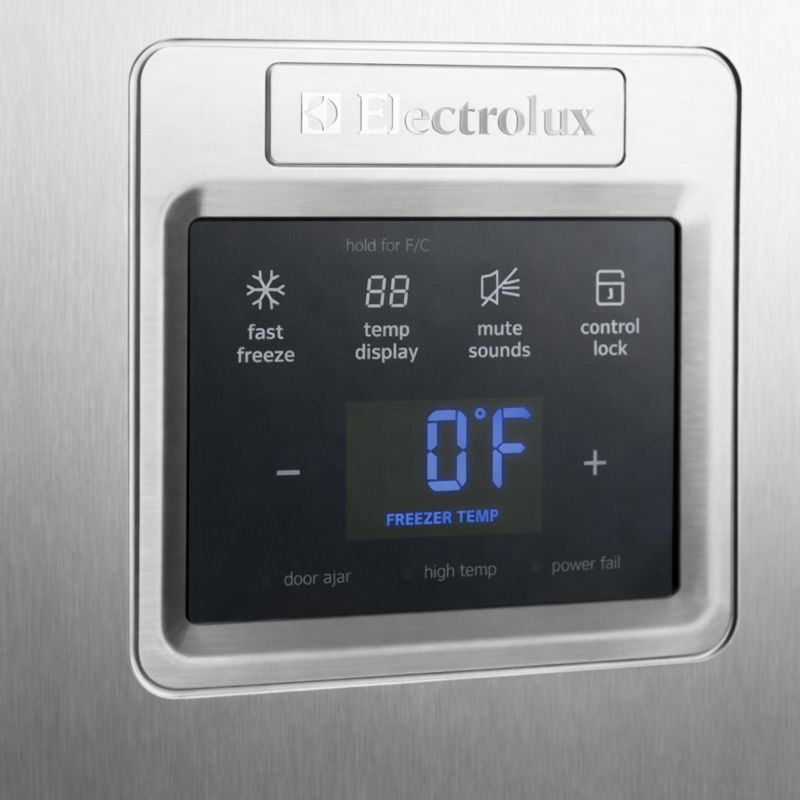
A sudden loud hum, rattle, or bang from your Electrolux freezer can turn a quiet Atlanta kitchen into an annoyance fast. At Appliance Repair Master, we’ve been silencing these noises for over 15 years, and the good news is that most aren’t signs of a dying appliance — they’re usually fixable with the right know-how.
Electrolux freezers are generally quiet runners, so when yours starts making loud noise, it’s trying to tell you something: a fan might be struggling, the unit could be out of level, or normal parts are wearing out faster than expected. We see this across upright and bottom-freezer models alike, especially in our humid Georgia climate where frost and condensation can speed things up.
In this guide, we’ll break down the different sounds these freezers make and what they typically mean, the models that show up most in our shop for noise complaints, safe steps you can take to quiet things down yourself, and when it’s smarter to have a technician handle it.
Common Types of Noise and What They Usually Mean
Electrolux freezers aren’t supposed to sound like a construction site, so when they get loud, the type of noise gives us a big clue about what’s going on. Here’s what we hear most on service calls around Atlanta and what it typically points to.
High-pitched whine or grinding
A struggling evaporator fan inside the freezer compartment — often from ice buildup around the blades or a motor starting to fail.
Rattling or buzzing from the back
The condenser fan near the bottom can hit debris or have a loose blade. We also see this when the fan motor bearings wear out.
Deep humming or clicking that’s louder than usual
Normal compressor noise gets amplified when the compressor mounts loosen or refrigerant levels shift slightly.
Gurgling or banging when filling
The water inlet valve opening and closing for the ice maker — common if the valve is old or water pressure is high.
Clunking or scraping sounds
Ice maker noise during harvest cycles, usually from the ejector arms hitting built-up ice or a faulty module.
Vibration or thumping against cabinets
Another sign the condenser fan is off-balance or the whole unit needs leveling.
Identifying the sound helps us pack the right parts before heading out.
Models That Tend to Develop Noise Issues
Some Electrolux models seem to end up on our Atlanta repair schedule more often for noise complaints, usually because of how they’re designed or where components sit. Here’s the lineup we see most, along with the typical sounds they develop.
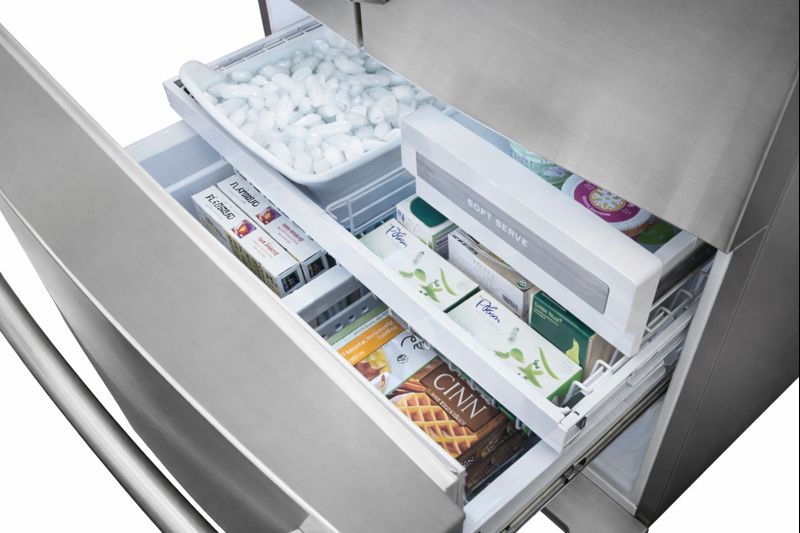
- EW28BS85KS8
French-door with bottom freezer. The condenser fan at the back often rattles if debris gets pulled in or mounts loosen.
- EI33AR80WS
Newer upright style. Compressor hum can get louder over time, especially if the unit isn’t perfectly level on uneven floors.
- FGHS2631PF
Side-by-side model (built by Electrolux under the Frigidaire brand). Ice maker cycles create noticeable clunking as the ejector works harder with age.
- EI28BS80KS
Another French-door bottom-freezer model. Vibration noise shows up when the unit shifts slightly during defrost cycles.
These are solid machines overall, but normal wear, Georgia’s heat and humidity, or even a recent move can make small issues audible. Catching them early prevents bigger problems like reduced efficiency or part failure.
First Steps to Reduce the Noise Yourself
A lot of the loud noises we get called for in Atlanta turn out to be things homeowners can quiet down in just a few minutes. Here’s the order we recommend trying — these have worked for plenty of our customers before we even pull up.
1. Check and adjust leveling
If the freezer isn’t perfectly level, it vibrates against the floor or cabinets. Use a bubble level on top, then turn the front legs (clockwise to raise, counterclockwise to lower) until it’s steady and doesn’t rock. Proper leveling often stops rattling instantly.
2. Pull the unit out and clean the condenser coils
Dust and pet hair on the coils at the back make the condenser fan work harder — and louder. Vacuum gently or use a coil brush. Do this every six months in Georgia to keep things quiet.
3. Look for loose panels or items inside
Open the door and make sure shelves, bins, and food packages aren’t touching the walls or fan areas. A frozen pizza box leaning just right can buzz every time the fan spins.
4. Listen during a defrost cycle
Some gurgling or popping is normal as ice melts, but if it’s excessively loud, note the timing — it helps us diagnose faster.
If the noise drops or disappears after these, great. If it’s still disruptive, the problem is likely a fan motor, mount, or component we need to replace.
When Loud Noises Need a Technician
Some freezer noises won’t quiet down with cleaning or leveling — they point to parts that are wearing out or failing. In our Atlanta shop, these are the calls where we roll up with specific tools and replacements.
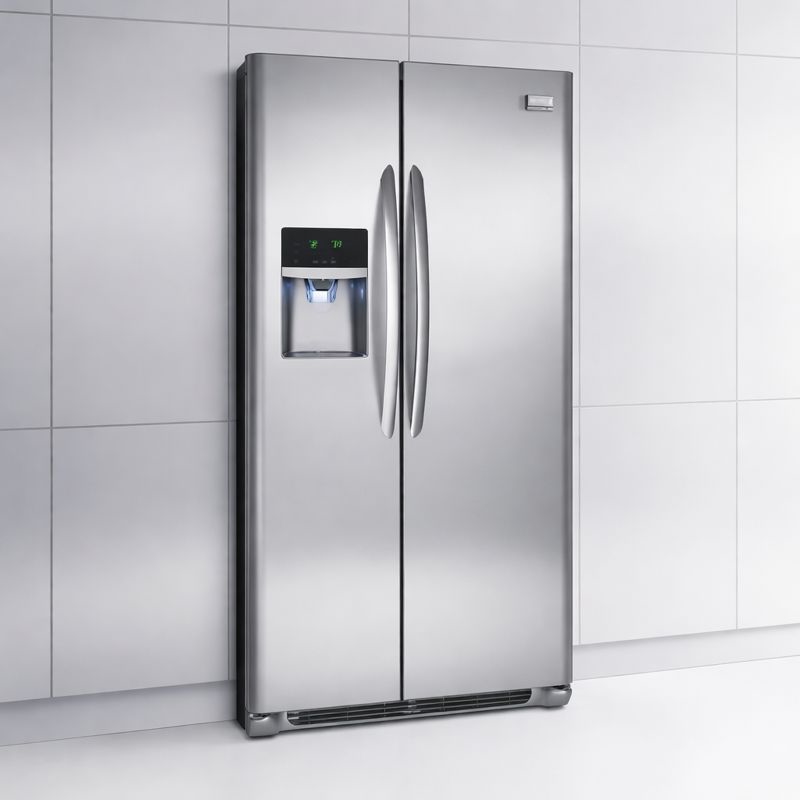
Fan motors going bad
A grinding or screeching evaporator fan or condenser fan usually means the motor bearings have worn out. We test and replace the motor to stop the racket.
Compressor issues
Excessive compressor noise like knocking or constant loud humming can signal loose mounts or internal wear. We secure mounts first; deeper problems may need a pro evaluation.
Ice maker acting up
Unusual ice maker noise — loud clunks or scraping — often comes from a failing ejector or module. We swap the assembly for smoother, quieter cycles.
Water valve chatter
A chattering or buzzing water inlet valve during fills typically needs replacement, especially if local water pressure is high.
We listen carefully on site, run quick tests, and carry the common fan motors, valves, and mounts for these models. Most loud noise repairs are done in one visit, getting your kitchen peaceful again.
Conclusion
Most noises from an Electrolux freezer are the appliance’s way of saying it needs a little attention — whether that’s a quick leveling tweak, a coil cleaning, or a part that’s reached the end of its quiet life. Addressing them early not only brings back the peace in your Atlanta kitchen but also keeps the freezer running efficiently for years.
From humming compressors to rattling fans, our team has quieted every one of these sounds hundreds of times on the models Georgia homeowners rely on most. A few simple checks can often do the trick, but when the noise points to worn motors, mounts, or valves, having a technician who knows these units inside out makes all the difference.
If your freezer has started sounding off and it’s driving you nuts, we’re here to help. Call Appliance Repair Master — we’re usually able to come out the same day and get things hushed up fast.
FAQ
Here are the noise-related questions we hear most from Electrolux owners in the Atlanta area:
1. Is it normal for my Electrolux freezer to make some noise, or should it be completely silent?
A low hum from the compressor or occasional clicks are normal. Anything grinding, rattling, or suddenly much louder usually needs checking.
2. Why did my freezer get louder after I moved it to a new spot?
Moving can throw off leveling or loosen panels. Re-level it and check for anything touching the back or sides.
3. Does Georgia humidity make freezer noise worse?
Yes — extra moisture leads to faster frost buildup, which can make the evaporator fan strain and get noisy.
4. How can I tell if a loud noise is serious or just normal operation?
If the noise is new, constant, or accompanied by warmth inside, it’s worth investigating. Short bursts during defrost are usually fine.
5. How much does it usually cost to fix a noisy Electrolux freezer?
Most fan motor or mount repairs run $200–$450 parts and labor. We diagnose first and quote upfront.